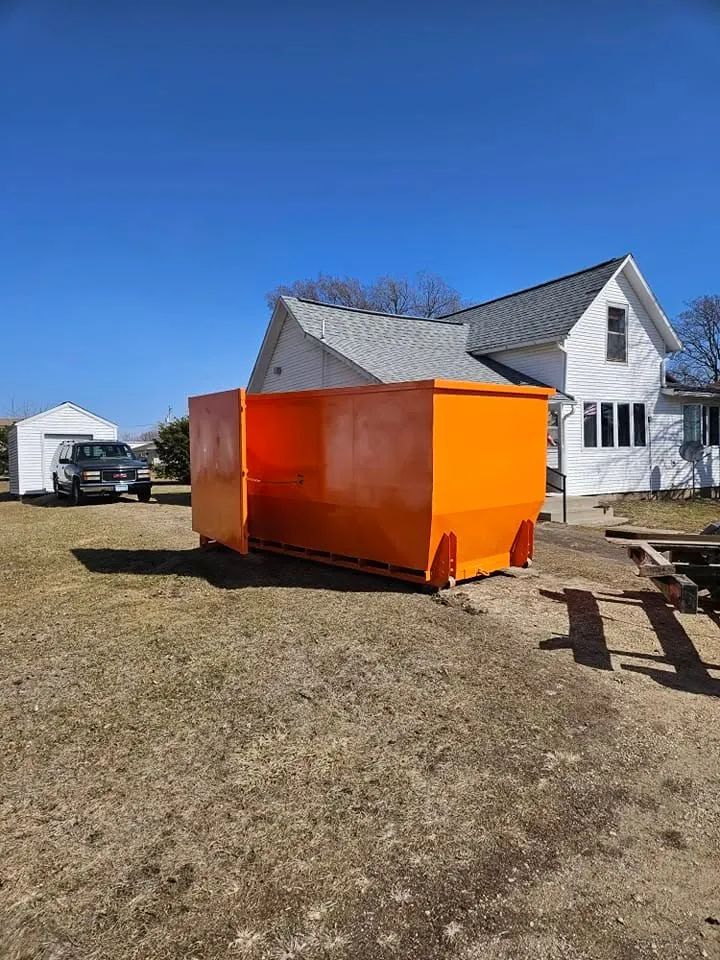
Rented the Wrong Size Dumpster Before? Here's How to Get It Right for a Renovation
September 30, 2026

QUICK ANSWER: Most single room renovations, like a kitchen or bathroom gut, fit inside a 15 yard roll off that holds 2 tons of debris. Larger projects that combine several rooms, heavy material like tile and concrete, or a longer timeline usually call for a 20 yard container instead. The real question isn't just how much space the project needs. It's how much the debris weighs, because a container can look half full and still hit its tonnage limit. We walk through square footage, material type, and project length with every renovation customer before we send a size out.
Every renovation looks the same on paper until the sledgehammer comes out. Then the pile in the driveway tells the real story, and it almost never matches what anyone guessed at the start. We've dropped containers for kitchen gut jobs that filled a 15 yard box to the fill line by lunch, and full bathroom tear outs that barely used half of one.
That gap is why
sizing a dumpster for a renovation isn't really about picking a number off a chart. It's about knowing what your project is going to produce, room by room, and matching that to a container built to carry it. Get it wrong and you're either paying for empty space or scheduling a second delivery mid project.
Why Weight Matters More Than the Size on the Label
A roll off is sold by cubic yards, but it fails by tons. That distinction trips up more renovation customers than anything else. Drywall, tile, cabinetry, and old flooring are dense. A pile that looks like it's using a third of the container can already be close to its included tonnage.
Our 15 yard container measures 14 feet long, 7 feet wide, and 4 feet deep, and it includes up to 2 tons of debris before overage applies. For a gutted bathroom, that tonnage usually lines up fine with the volume. For a kitchen with tile floors, stone counters, and a full cabinet tear out, the weight can catch up before the box looks anywhere near full.
We ask about square footage and material type on every renovation call for exactly this reason. Two projects that look identical in size on a floor plan can produce completely different loads once the hammers start.
The 15 Yard Roll Off: What It Handles Well
A single room renovation, most bathroom remodels, and a lot of standard kitchen updates fit comfortably inside our 15 yard container. That includes cabinets, drywall, old subfloor, trim, fixtures, and the general debris a demo crew generates in a few days of work.
Cabinetry And Fixtures
Base and upper cabinets break down fast and stack well against the container walls, which is where a 15 yard box uses its space most efficiently.
Flooring Tear Outs
Tile, laminate, and vinyl come out in manageable batches. Hardwood is heavier per square foot than most homeowners expect, so a full hardwood tear out in a larger room can push weight higher than the volume suggests.
Drywall And Trim
Lightweight relative to its volume, drywall is usually where a 15 yard container has room to spare even after the heavier material is loaded.
TIP: Load flat, heavy material like tile and cabinet doors flat against the container floor first. Bulky, lighter items go on top and around the edges. Loading it backward wastes usable space fast, and it's one of the most common reasons a 15 yard box fills before a project is actually done.
When a 20 Yard Container Is the Better Call
Some renovations outgrow a 15 yard box before the first wall comes down. A whole main floor remodel, a project combining kitchen and bathroom work at once, or a renovation running several weeks instead of a few days usually points toward a 20 yard container.
The math isn't complicated once you walk through it with us. Multiple rooms mean multiple material streams landing in the same container: old flooring from one room, cabinetry from another, drywall from a third. That combination fills a 15 yard box faster than a single room job would, and it often needs the deeper capacity a 20 yard container provides rather than a second swap partway through.
Longer timelines matter too. A renovation stretched over several weeks means the container sits on site longer, and debris tends to accumulate in bursts as different trades finish their phases. A bigger container absorbs that unevenness without forcing a mid project swap around a framer's or plumber's schedule.
What Renovation Debris Is Actually Allowed Inside
Most of what comes out of a home renovation, according to EPA guidance on construction and demolition debris, falls into a handful of categories: wood, drywall and plaster, brick and tile, metal, and general construction waste. All of that goes into a roll off without issue.
What doesn't belong is a shorter, firmer list. Paint cans, aerosols, lithium ion batteries, and hazardous liquids stay out of the container entirely, and that rule holds regardless of project size. Old appliances need a separate pickup arranged ahead of time rather than getting tossed in with the demo debris.
Our regional landfill authority also requires every load arriving on site to be tarped and secured before it crosses the scale, and loose material has to be contained rather than piled loose in the truck bed. We handle that step as part of the pickup, but it's worth knowing if you're hauling any overflow yourself between container swaps.
Placement Changes What Size Actually Works
Sizing doesn't stop at the container. Where it sits on your property affects how efficiently a crew can use the space they've got, and that matters more in some Cedar Rapids neighborhoods than others. Older streets with narrow driveways and mature trees close to the curb can make a container feel smaller than its rated capacity if the crew has to carry debris further to reach it.
A container parked right next to the work area gets loaded faster and more completely than one tucked in a spot that's easy for the delivery truck but awkward for the crew hauling debris out a side door. We'd rather spend a minute talking through your driveway, slope, and clearance before delivery than have you discover a placement problem on demo day.
Spring renovation season in Eastern Iowa brings its own wrinkle. Thawed ground softens fast, and a loaded container sitting on wet grass or a soft shoulder can sink or shift. A firm surface, or plywood under the rails on request, keeps both delivery and pickup simple.
Loading Technique Affects the Size You Actually Need
The fill line marked inside every roll off isn't a suggestion. Debris loaded above it can shift during transport, and a container over that line legally cannot be hauled until the excess comes back out. That's not a container size problem so much as a loading order problem, and it's the single biggest reason a project runs short on capacity it should have had.
WARNING: An overloaded or improperly loaded container is a real road hazard, not just an inconvenience. Shifting debris during transport can damage the truck, the container, and anything behind it on the road, which is exactly why the fill line exists and why we won't haul a load stacked above it. Plan your loading order around the fill line from the start rather than discovering the limit on pickup day.
Heavy, flat material goes on the floor first. Bulky but lighter debris fills in around and above it. Loading through the swing door instead of tossing everything over the wall uses the corners of the container instead of wasting them, which effectively adds usable capacity without changing the size you rented.
Renovation Debris That Needs a Different Plan
Not everything that comes out of an older home belongs in a standard roll off, and sizing the container correctly starts with knowing what to pull out of the plan entirely. Homes built before the 1980s in and around Cedar Rapids sometimes carry asbestos in old tile adhesive, popcorn ceiling texture, or pipe insulation, and that material needs testing and removal by a licensed abatement contractor before demo starts, not a spot in the container.
Refrigerant bearing appliances fall into a similar category. A certified technician needs to recover the refrigerant before an old fridge or window unit gets hauled away, so those get scheduled separately from the general renovation debris rather than tossed on top of the drywall pile.
Neither of these situations changes what size container the rest of your renovation needs. They just mean the container isn't the answer for every part of the project, and it's worth flagging anything unusual about your home's age or materials before we finalize a size.
Frequently Asked Questions
How do I know if I need a 15 yard or a 20 yard container for my renovation?
Start with room count and material weight rather than square footage alone. A single room with standard materials usually fits a 15 yard box, while multiple rooms, heavy flooring like tile or hardwood, or a project running several weeks tends to need the 20 yard option.
Does a kitchen remodel need a different size than a bathroom remodel?
Often, yes. Kitchens generate heavier debris per square foot, cabinets, countertops, and sometimes tile, so a full kitchen gut can approach the tonnage limit faster than a bathroom tear out of similar footprint. We factor that into the size we recommend rather than treating every room the same.
What happens if the container fills up before the renovation is done?
We schedule a swap. The full container gets pulled and an empty one takes its place, usually within a day or two depending on the route. It happens more often with underestimated projects, which is exactly why we'd rather size it correctly up front.
Can heavy material like tile and concrete go in the same load as drywall and lumber?
Mixed construction debris is fine in the same container. The concern isn't mixing materials, it's total weight. Heavy inert material like tile, brick, or concrete has its own weight math, so we talk through how much of that is coming out before setting a tonnage expectation.
How long can a roll off stay on site during a longer renovation project?
As long as your project needs it. Extended renovations often keep a container on site for several weeks, with swaps scheduled as it fills rather than on a fixed calendar. We work around your contractor's timeline instead of the other way around.
Do I need a permit to place a roll off on my property during a renovation?
That depends on where the container sits and how long it stays, and it varies by city and township across our service area. We can talk through placement options with you so you know what to check on before delivery day, and we plan around inspection schedules when a project requires one.
Before you pick up the drill
The Right Dumpster Sets the Pace for Cleanup
Renovation debris rarely matches what looked simple on paper, which is why sizing a dumpster starts with real questions about rooms, material weight, and how long the work will run rather than guesswork. L&R Dumpster has spent 5+ years helping homeowners across Cedar Rapids, IA, match container size to what a project actually produces instead of what a floor plan suggests. That conversation before delivery day is usually what keeps a renovation moving instead of stalling around an unplanned mid project swap.
The size that works isn't always the one that looks right on a chart. It's the one that accounts for what a renovation actually produces once the tear out starts, and that changes from one project to the next even when the rooms look similar. Weight, room count, and timeline together tell a more accurate story than square footage alone ever could. Getting that part right at the start is usually what separates a renovation that stays on schedule from one that gets stuck waiting on debris.